









Meeting recording
Turn meetings into a resource your team can actually use
Record, organize, and search across meeting content—so decisions, context, and institutional knowledge captured in calls don’t disappear when the meeting ends.
The challenge
Meeting recordings exist in most organizations—but finding what’s in them is another problem entirely
Most video conferencing tools record meetings. What they don’t do is make those recordings useful. Files saved to personal downloads or auto-archived in a conferencing platform are effectively invisible—unsearchable, unorganized, and inaccessible to anyone who wasn’t on the original invite. Decisions made in meetings get re-litigated because there’s no easy way to reference what was agreed. Context that took an hour to build disappears before anyone has a chance to act on it.
How recorded meetings become more useful with Panopto
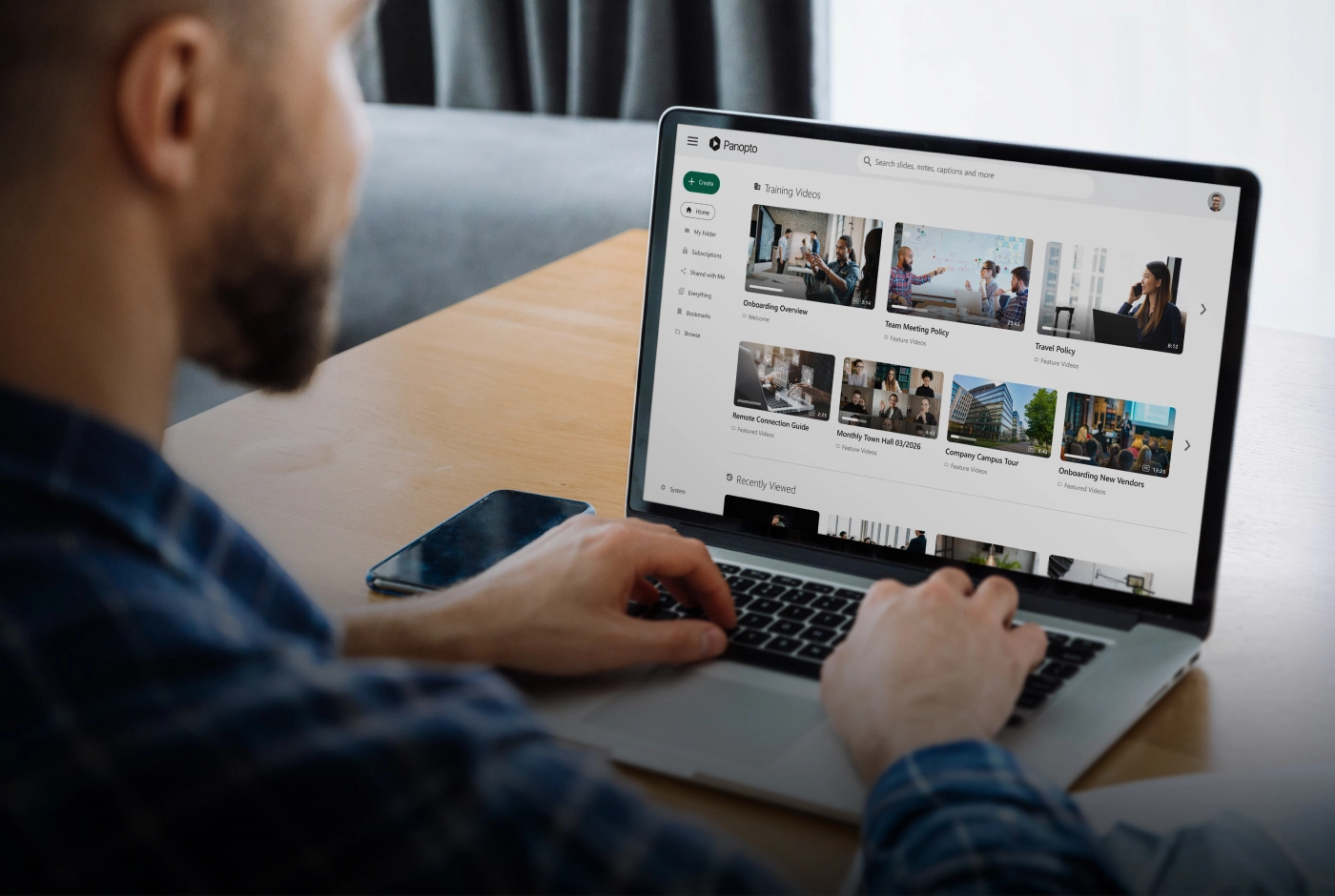
Most recorded meetings end up in a folder no one can find, in a format no one can search. Panopto connects meeting recordings to a governed video library—automatically organized, searchable by spoken word, and accessible inside the tools your team already uses.
Automatic capture from existing tools
Record meetings without changing how your team works
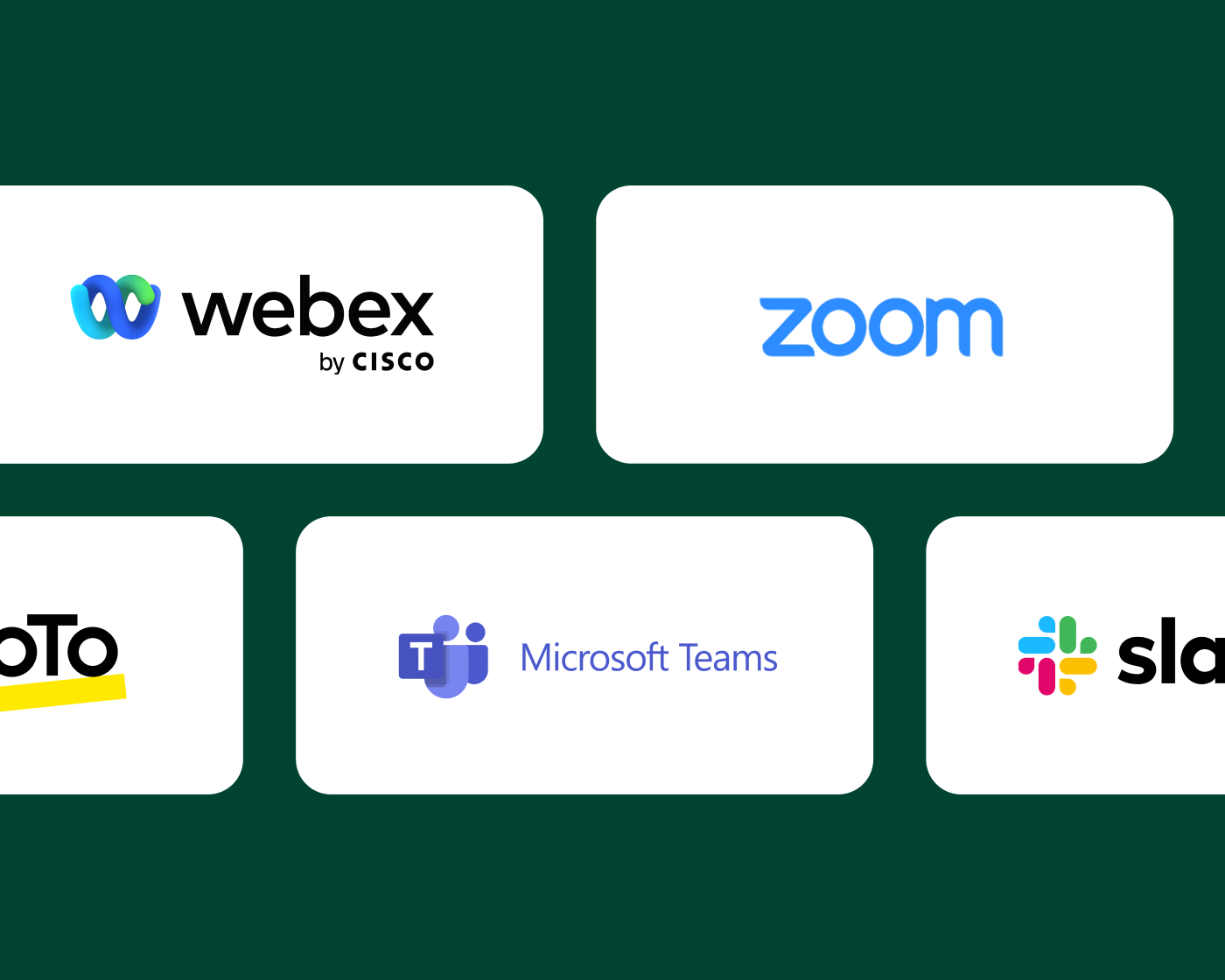
Panopto integrates with Microsoft Teams, Zoom, and Webex to capture meetings automatically—without requiring presenters to set up a separate recording workflow. Recordings are published to the governed library immediately after the call, organized by team or project, and accessible to the people who need them.
Searchable meeting content
Find the decision, not just the meeting
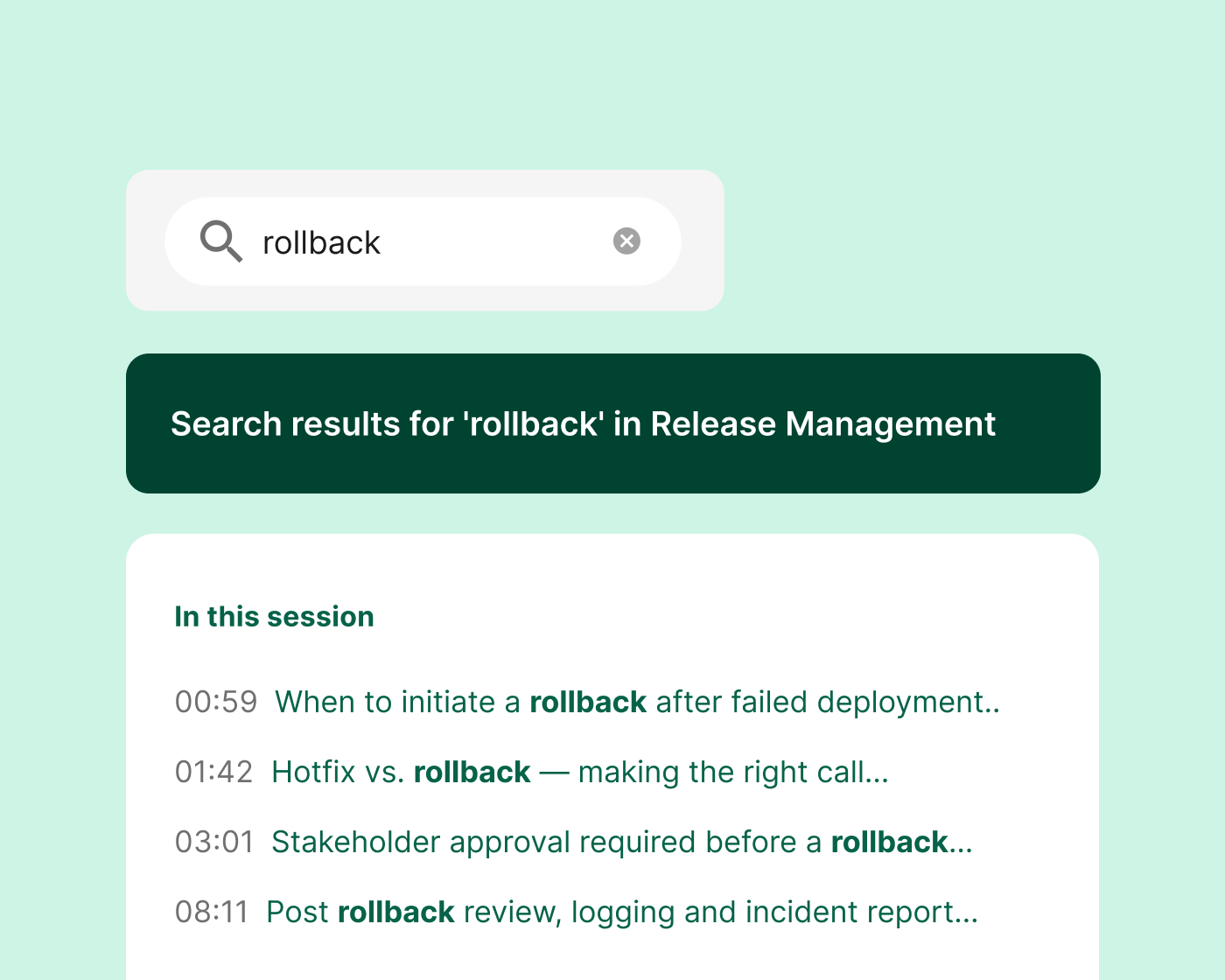
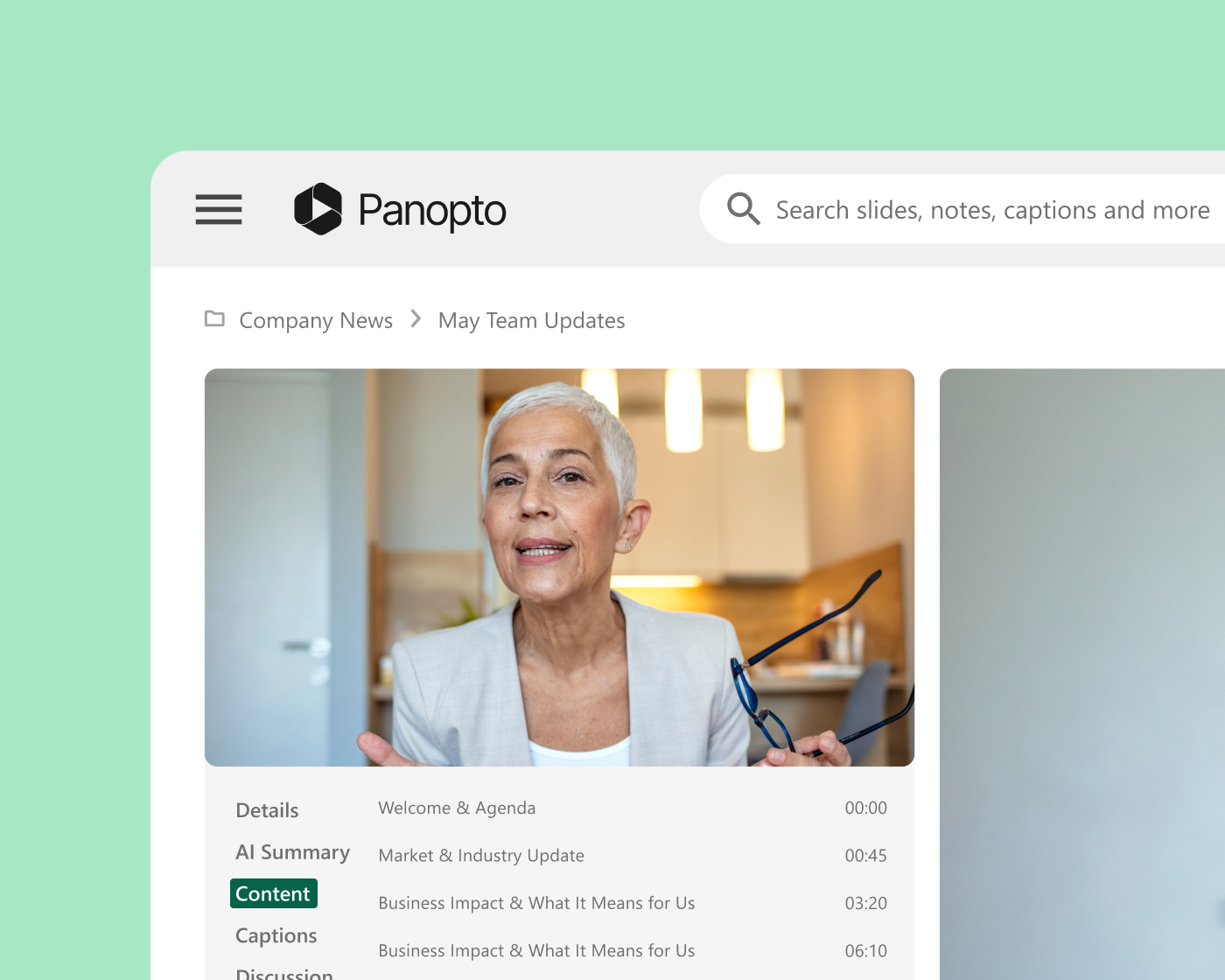
Panopto indexes every spoken word in every meeting recording—so team members search across an entire library of calls to find a specific decision, commitment, or discussion. No more scrubbing through an hour of recording to find the three minutes that matter.
Async collaboration and catch-up
Keep teams aligned without requiring everyone in the same meeting
Meeting recordings give team members who couldn’t attend a way to catch up on context—searchable, at their own pace, with the ability to comment at specific moments. For distributed and remote teams, recorded meetings reduce the pressure to attend every call live while keeping everyone aligned on decisions and direction.
Governance and access control
Keep sensitive meeting content in the right hands
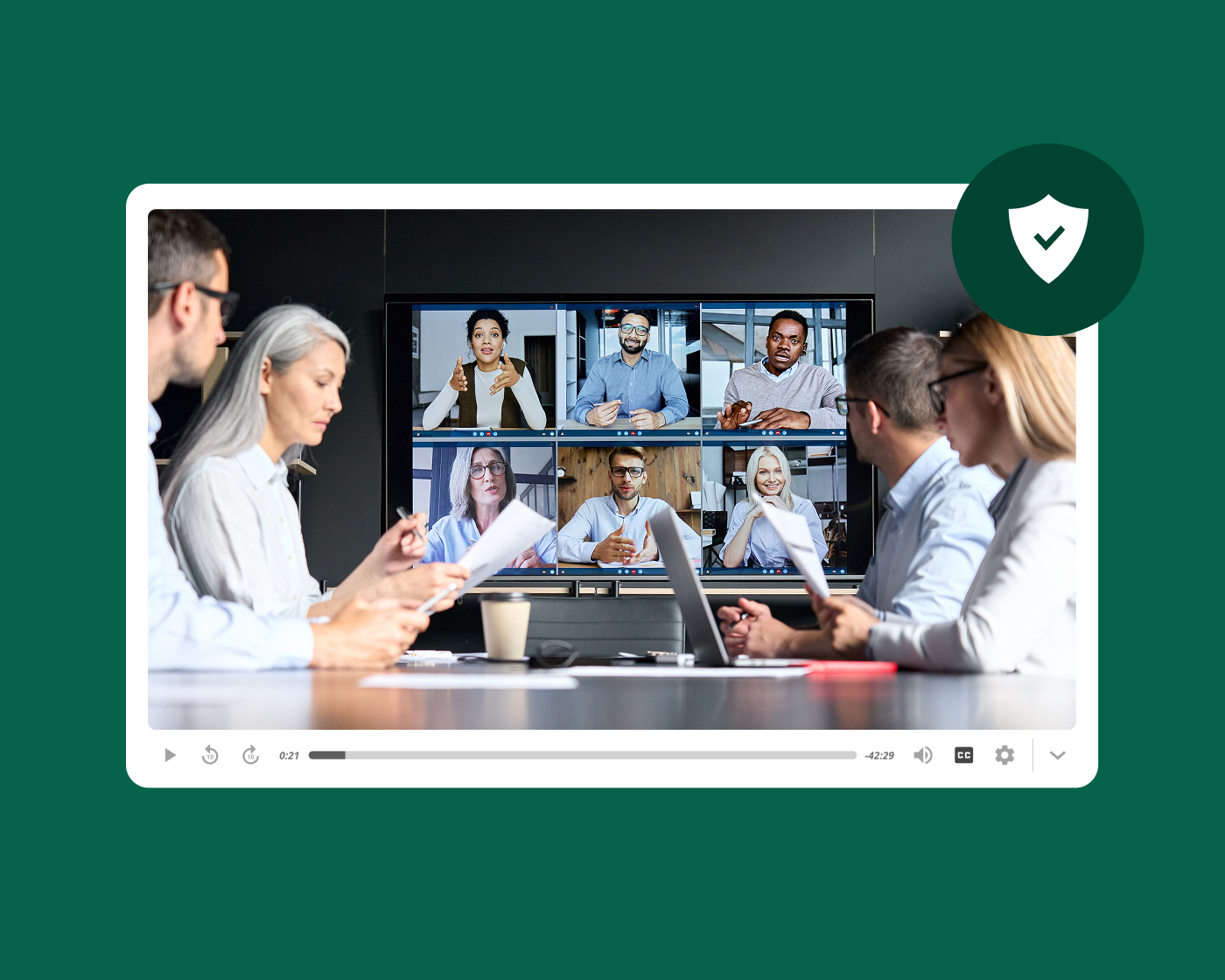
Meeting recordings in Panopto are governed by the same role-based access controls that apply to all other video content—so sensitive discussions, customer calls, and leadership meetings are accessible to the right people and protected from uncontrolled distribution. Recordings are stored securely in Panopto rather than scattered across personal downloads or public cloud folders.
What organizations achieve with Panopto
Meeting recording across industries
Organizations across sectors use Panopto to turn meeting recordings into searchable, governed knowledge assets—rather than files that get lost or forgotten.
Trusted by global organizations to power learning at scale


Explore what’s possible with meeting recording

How leading organizations use Panopto
Frequently asked questions
How does Panopto help organizations get more value from recorded meetings?
Panopto turns meeting recordings into searchable, governed knowledge assets—indexed by spoken word, organized by team or project, and accessible to anyone with the right permissions—rather than files that sit in a personal folder or expire after a set period.
When decisions, context, and commitments from meetings are searchable and organized, they stop requiring reconstruction. Employees who missed a meeting catch up accurately, distributed teams stay aligned without attending every call, and the context behind decisions is preserved rather than lost the next time a topic comes up.
Does Panopto integrate with Zoom, Teams, and other conferencing platforms?
Yes. Panopto integrates with tools like Microsoft Teams, Zoom and Webex to capture meeting recordings and publish them directly to the governed video library. Recordings from these platforms are organized, captioned, and searchable—rather than sitting in a platform-specific folder or expiring automatically.
This turns everyday collaboration into a reusable knowledge resource without asking employees to change how they run meetings. The capture and publishing happen in the background, and the recording appears in the library where it can be found. Read more about our integrations here.
How does Panopto control who can access sensitive meeting recordings?
Panopto applies the same role-based access controls to meeting recordings as to all other video content—so sensitive discussions, customer calls, and leadership meetings can be made accessible only to authorized viewers. Administrators can manage permissions centrally through SAML-based single sign-on, and access is provisioned and deprovisioned automatically through existing identity systems.
For organizations where uncontrolled sharing of meeting recordings creates legal or reputational risk, this governance layer provides a meaningful safeguard that platform-native recording tools typically don’t offer. Read more about our security here.
Can employees search inside a meeting recording for a specific moment?
Yes. Panopto’s intelligent search indexes every spoken word in every meeting recording—so employees can find a specific decision, name, or topic by searching a term and jumping directly to the moment it was discussed, rather than scrubbing through a full recording.
For long strategy sessions, team standup recordings, or cross-functional project meetings, this makes the recording genuinely useful rather than a file employees save but rarely return to. Read more about our AI-powered search.
How does Panopto help remote and hybrid teams use meeting recordings effectively?
Panopto gives remote and hybrid employees a reliable way to catch up on meetings they missed—with full search, chapter navigation, and the same clarity as attending live—without relying on a colleague to write up notes or forward a summary.
For teams that span time zones or working patterns, meeting recordings in a searchable, governed library are part of how distributed teams stay aligned. Employees in different locations can access the same context, the same decisions, and the same detail—on demand, on any device.