





Educational Content in Modern Learning: Is short the new normal?
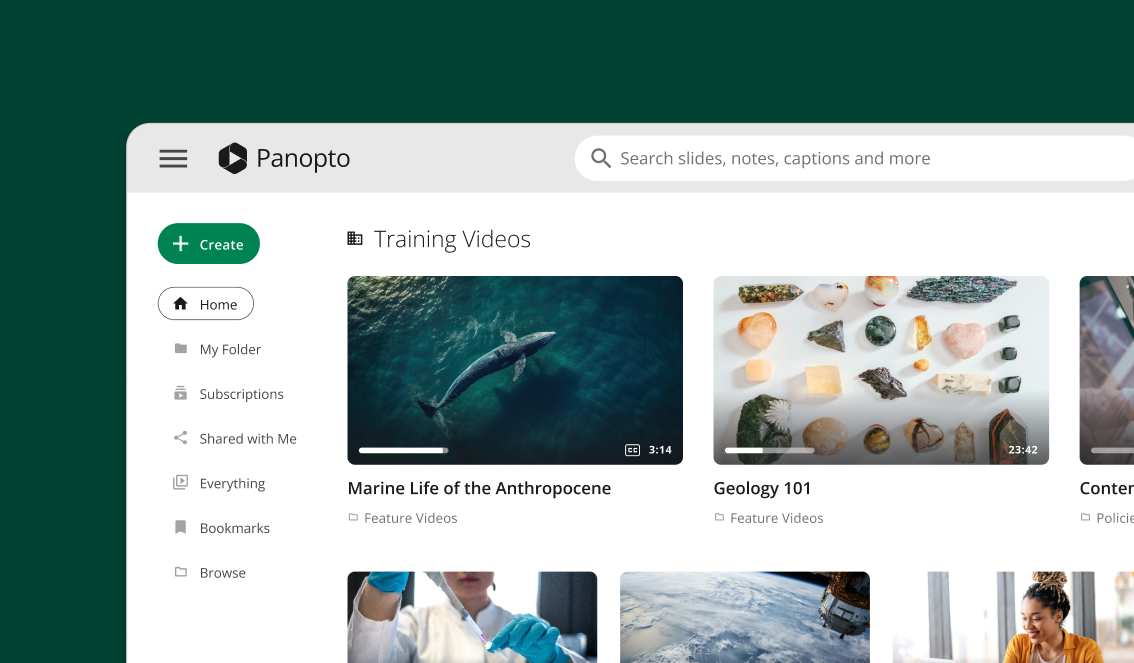
Students increasingly prefer short, focused videos instead of long lectures. Educators are responding with concise two- to five-minute lessons, interactive video quizzes, and mobile-friendly formats that keep learning engaging. This approach matches how students naturally consume content online, encouraging active participation rather than passive watching. The result is a more flexible, student-centered model that keeps attention high and curiosity alive.
Modern students are transforming how learning content is designed and delivered. Traditional long lectures are being replaced by shorter, more focused videos that better reflect how students engage with information today. Influenced by social media platforms such as TikTok and YouTube Shorts, learners now prefer concise lessons, usually two to five minutes long, that present key ideas clearly and can be watched easily on mobile devices.
Educators are adapting by combining short instructional clips, medium-length video quizzes, and occasional longer sessions such as guest lectures. This mix keeps learning varied and maintains attention across different student preferences. Short videos make it easier for learners to pause, rewatch, and immediately apply what they have learned. Interactive quizzes within videos add engagement and help instructors assess understanding as students watch.
This shift benefits both sides. For students, short-form content feels natural and accessible because it mirrors how they already explore and absorb information online. For instructors, producing shorter videos saves time and allows for greater flexibility in experimenting with new teaching styles. While some students still value longer, in-depth sessions, the broader trend clearly favors shorter, purposeful content that fits modern attention patterns.
Overall, this evolution marks a cultural change in education. Teaching is no longer about one-way delivery but about continuous engagement. Instructors are becoming “engagement farmers,” cultivating curiosity through diverse, responsive content formats. The future of learning will depend on adaptability, creativity, and meeting students where they are, both in technology and in attention.