
Accessibility: What are students saying??
Accessibility tools such as captions, transcripts, and playback speed controls now support every learner. Most students say these features are essential to effective learning. With automatic captioning, keyword search, and multi-language support, modern video platforms make education more inclusive and flexible. Accessibility has evolved from an accommodation to a universal benefit that enhances learning for all.
The discussion focuses on accessibility in video-based learning and shows that accessibility features benefit far more than students with documented disabilities. While 19 percent of undergraduates and 12 percent of graduate students report diverse learning needs, a much larger majority, 58 percent, say captions, transcripts, and playback speed controls are essential to their learning experience. These tools have become fundamental for effective video-based education, serving not only as accommodations but as enhancements for all learners.
Accessibility is no longer a niche consideration. Features such as captions help international students or non-native speakers follow lectures more easily, while playback speed options let students adjust the pace to their individual comprehension. Transcripts make searching and note-taking simpler, allowing learners to revisit specific sections without rewatching entire videos. Together, these tools create a more personalized, on-demand learning experience.
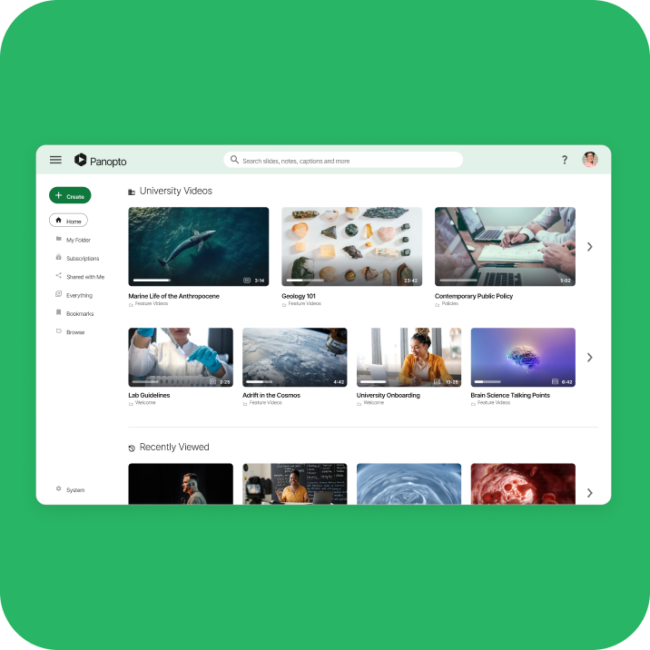
From an instructor’s perspective, modern platforms such as Panopto simplify accessibility by automatically generating captions and offering multi-language options. This removes the burden from teachers while increasing the usability of their content. Students can search within videos for keywords, slow or speed up playback, and access information in the way that suits them best.
Ultimately, accessibility is about universal design, creating content that benefits everyone, not just those with accommodations. In a world where on-demand digital experiences shape expectations, accessibility has become a key part of educational engagement. It empowers students to control how they consume and interact with content, reinforcing that accessibility is not optional or specialized but essential for effective learning in a digital-first world.