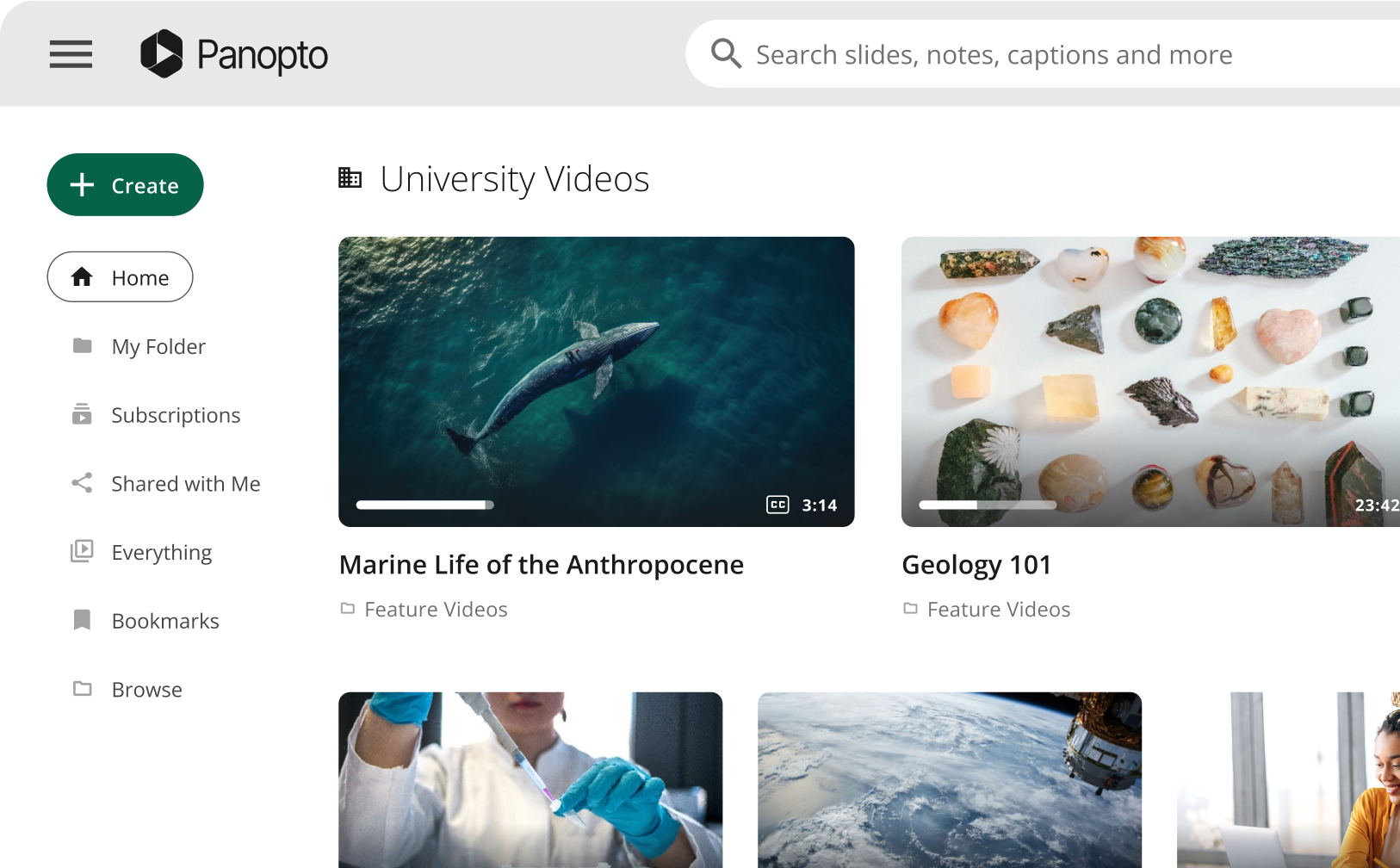






Training and upskilling the workforce has always been a cornerstone of organizational success, but today’s dynamic business landscape introduces new complexities. Outdated training methods and scattered resources can hinder progress, making effective knowledge transfer more critical than ever. As a trusted staple in learning and development, video-based training continues to provide organizations with a reliable, impactful way to engage employees and deliver consistent, scalable education.
A recent report from Panopto, the leader in video learning platforms, sheds light on the role of video in organizational learning. Drawing insights from global enterprises, the findings make a powerful case for why video should be at the heart of your organization’s learning strategy. Here’s what you need to know:
The challenges with traditional training
Learning is fundamentally about sharing knowledge. When that knowledge is tied to an organization’s unique processes, protocols, and standards, employees become the primary source of expertise. This creates a set of challenges: How can this knowledge be effectively captured? How can it be validated? Where should it be stored? These are just a few of the critical questions organizations like nuclear energy company Framatome must address when tackling the complex task of preserving institutional knowledge.
Then, despite significant investments in employee development, 86% of organizations remain dissatisfied with their training programs. Why?
- Scattered tools: Employees often juggle multiple platforms, making it difficult to find relevant information quickly.
- Outdated content: Over half of organizations struggle to keep training materials fresh and engaging, leading to reduced retention and productivity.
- Lost productivity: Workers spend up to six hours a week searching for information, wasting valuable time.
Traditional approaches aren’t keeping up with the needs of today’s learners, but video-based training offers a solution.
Why video-based training works
Video is the ideal medium for capturing, systematizing, and sharing institutional knowledge. Its versatility shines in diverse applications, from demonstrating highly technical, hands-on skills – like safely operating heavy equipment – to teaching nuanced interpersonal skills, such as mastering the art of negotiation. This is why organizations such as manufacturer Ingersoll Rand place video at the center of its learning and development and communications strategies.
And the data speaks for itself: organizations using video report significantly better outcomes across the board. Here’s why:
- Alignment with modern learning preferences
The rise of microlearning—short, targeted lessons—is perfectly suited to video formats. Employees prefer bite-sized content that’s easy to digest, and video delivers exactly that. - Flexibility and accessibility
Video enables on-demand learning, allowing employees to access training anytime, anywhere. In fact, 94% of organizations agree that video fosters flexible learning schedules, making it ideal for distributed and remote teams. - Enhanced engagement and retention
Video content is inherently more engaging than text-based or in-person training. Employees can revisit materials as needed, improving retention and ensuring skills stick. - Efficiency and cost savings
Video eliminates logistical hurdles like scheduling and travel, saving time and money. Over 77% of organizations report that video’s cost savings justify the initial investment.
Video training in action
Organizations leveraging video-based training are seeing tangible benefits:
- Employee Performance: Video empowers workers to find the right information quickly, boosting productivity.
- Reduced Turnover: Companies using video for training report a 53% reduction in employee turnover.
- Improved Operational Efficiency: With the right tools in place, employees spend less time searching for information and more time contributing.
From onboarding and compliance to leadership development and technical training, video is transforming how businesses prepare their teams for success.
Building a video-centric training strategy
To unlock the full potential of video training, organizations must take a strategic approach:
- Centralize your content: Ensure training materials are stored in an easily searchable library.
- Invest in quality content: Engaging, up-to-date videos drive better outcomes and higher satisfaction.
- Adopt AI-powered tools: Advanced features like AI search and analytics make training even more effective.
- Embrace mobile-friendly platforms: Meet your workforce wherever they are with mobile-first learning options.
The future is video
The modern workforce demands solutions that are dynamic, flexible, and easy-to-use. Video training not only meets these demands but sets organizations apart in an increasingly competitive landscape. By investing in video, you can drive employee engagement, improve retention, and achieve your business goals.
Panopto makes it clear: video isn’t just a tool—it’s a strategic imperative. Ready to see the impact it can have on your organization? Talk to our team to learn how Panopto’s cutting-edge video platform can revolutionize your training programs.