
Hybrid Learning Platform
Hybrid learning isn’t going anywhere. Students expect flexibility, and institutions need teaching models that work whether students show up in person or join remotely. Panopto’s video platform makes this possible by giving you the tools to deliver consistent learning experiences across every format: live, recorded, or on-demand.
Hybrid learning combines in-person and online instruction so students can learn the way that works for them. Some attend live classes. Others watch recordings later. Either way, they’re getting the same quality education.
The challenge isn’t whether hybrid learning works—it does. The challenge is making it practical for instructors who need to teach multiple groups of students at once. That’s where the right technology makes the difference.
HyFlex learning takes this further by letting students choose how they attend each individual class session. It’s more flexible than traditional hybrid models, but requires more planning from instructors.
Understand the Difference: Hybrid vs. HyFlex Learning Model
Compare structure, flexibility, and use cases for each approach
In hybrid learning, students follow a set schedule. They might attend Monday’s lecture in person, then complete Wednesday’s lesson online. Everyone gets the same material, just delivered through different formats.
HyFlex gives students more control. For each class session, they decide whether to show up in person, join the live stream, or watch the recording later. The content differs across formats, but the learning outcomes stay the same.
Both approaches work. Your choice depends on how much scheduling flexibility your students need and how much instructional variety your faculty can manage.
68% of students are interested in taking courses that offer hybrid teaching methods.
Top Benefits of Implementing a Hybrid Learning Environment
Support flexibility, student engagement, and improved access to education
For students: They can learn on their schedule without sacrificing educational quality. Students who work, have family responsibilities, or live far from campus can still participate fully. Access to recorded lectures and online resources means they’re not scrambling to catch up after missing a class.
For faculty: You can teach remotely when needed without canceling class. Recording lectures once means you’re not repeating the same content multiple times for students who missed the live session. You’ll also reach students who wouldn’t have enrolled in a traditional in-person-only course.
For institutions: You’ll attract students who need flexible options but won’t compromise on education quality. That means higher enrollment without building more classrooms or hiring more faculty.
Common Challenges in Running a Hybrid or HyFlex Classroom
Address technical, pedagogical, and student experience obstacles
Getting the technology right is harder than it looks. You need cameras that capture the whole room, microphones that pick up student questions, and a video platform that doesn’t crash mid-lecture.
Teaching three groups of students simultaneously, in-person, live remote, and asynchronous, requires different strategies for each. What works for the students sitting in front of you won’t work for the ones watching from home.
Tracking who watched what, who participated, and who’s falling behind gets complicated fast when students are scattered across formats.
These aren’t dealbreakers. They’re planning problems. With the right setup and some practice, hybrid classrooms work just as well as traditional ones.
Designing a Hybrid Classroom That Works – In Any Environment
Most faculty haven’t taught hybrid classes before. Students haven’t taken them. Everyone’s learning as they go, which means clear expectations and reliable technology matter more than ever.
The classroom setup itself makes a difference. Where you stand, where the camera points, how audio gets captured, these details determine whether remote students can actually participate or just watch passively.
“The way that our [HyFlex] classrooms are designed, we’re able to accomplish both the synchronous environment and the asynchronous environment, thanks to Panopto.”
Andy Borts, Senior Instructional Technology Support Specialist at University of Nevada Las Vegas
“The way that our [HyFlex] classrooms are designed, we’re able to accomplish both the synchronous environment and the asynchronous environment, thanks to Panopto.”
Andy Borts, Senior Instructional Technology Support Specialist at University of Nevada Las Vegas
How Educators Can Prepare for Hybrid and HyFlex Teaching
Choose the right tools, layout, and delivery model for blended learning
When it comes to implementing a hybrid classroom, preparation as an educator is key. Keep in mind that you are working towards creating an equitable learning environment for all students – whether in person, asynchronous online, or synchronous online – and this can require proper planning to execute successfully.
1. Learn your teaching space. Figure out where you’ll stand so both the camera and in-person students can see you. Test different positions before your first class. What feels natural in an empty room might not work when 30 students are watching.
2. Test everything before class starts. Check that remote students can hear you. Verify the camera captures the whole room. Make sure your video platform actually records when you hit the button. Technical problems that seem minor in testing become major when 50 students are waiting.
3. Tell students what to expect. Send the class schedule, video conferencing links, and participation requirements before the first session. Students can’t meet expectations they don’t know about. Be specific about deadlines, attendance policies, and how remote participation works
Proven Tips and Best Practices for Effective Hybrid Instruction
Get trained, adapt your content, and build confidence with new formats
Once you are prepared for a hybrid or hyflex classroom, how do you actually go about teaching? Here are some tips to create an effective teaching program.
1. Train your faculty first. Show instructors how the technology works and give them time to practice before students arrive. A one-hour training session saves weeks of troubleshooting later.
2. Make the experience equal for everyone. Repeat in-class questions for the camera so remote students hear them. Give online students extra time to type questions so they can participate as actively as in-person students. If you’re polling the room, poll the remote students too.
Consider mixing formats within a single class: short lecture, live polling, breakout discussions (in-person and via video), group work. Add captions to recordings so students with hearing impairments or language barriers can follow along.
3. Explain how things work upfront. Tell students whether to raise their hands on camera or type questions in chat. Clarify whether attendance means showing up live or watching the recording. When students know the rules, they spend less time confused and more time learning.
4. Get help monitoring online chat. You can’t teach, watch the in-person students, and read chat messages simultaneously. Ask a teaching assistant or volunteer to flag important questions so you can respond without stopping the class.
5. Ask for feedback regularly. Students won’t tell you something’s broken unless you ask. Create low-pressure ways for them to share what’s working and what isn’t—anonymous surveys, office hours, quick check-ins at the end of class.
6. Use the same tools consistently. Standardize your video platform, conferencing software, and recording equipment across classes. When everything works the same way, students and faculty spend less time learning new tools and more time actually teaching and learning.
By the end of 2026, U.S. public schools are expected to utilize a combination of in person and remote learning methods.
Why Video Platforms Are Essential for the Hybrid Learning Experience
From synchronous strategies to asynchronous learning support
Without video, hybrid learning doesn’t work. Remote students need to see lectures. Asynchronous students need recordings they can watch later. In-person students benefit from reviewing material before exams.
The good news? Most universities already have the technology they need. The challenge is using it effectively.
90% of universities already have the necessary technologies in place to support more blended models.
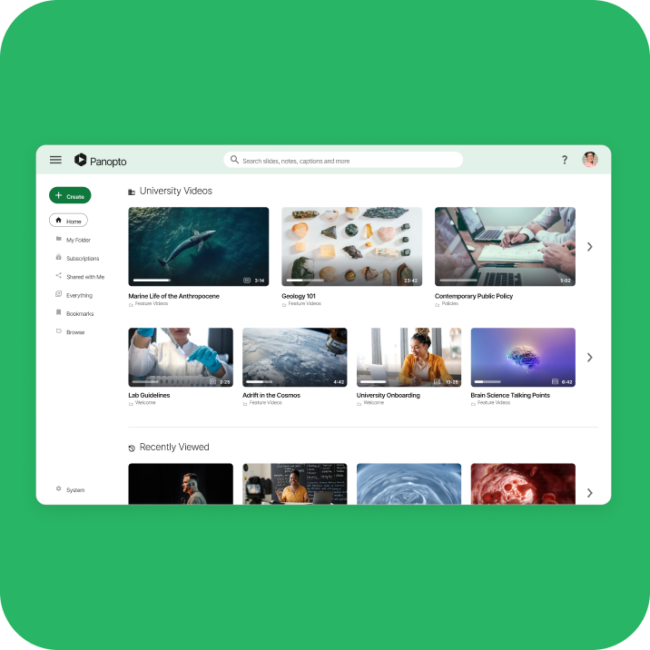
1. Choose a video platform that does everything in one place. Recording in one tool, editing in another, and streaming through a third creates unnecessary work. Panopto handles recording, live streaming, editing, and searching from a single platform. You’ll upload once and share everywhere, your LMS, course pages, even mobile devices.
2. Add interactive elements that keep remote students engaged. Let students discuss videos asynchronously through threaded comments. Add quizzes that pause the video until they answer. Use polls that work for both in-person and remote audiences simultaneously.
Remote students can also adjust playback speed, turn on captions, and bookmark important moments. These aren’t extras, they’re accessibility features that make learning possible for students with different needs.
3. Track who’s actually learning. In a physical classroom, you can see when students tune out. In hybrid classes, you need data. Panopto shows you who watched which videos, where they stopped watching, and which sections they rewatched multiple times. That tells you what’s working and what needs to be explained differently.
Recommended Tools and Technologies for Hybrid Learning Success
Top LMS, video, and collaboration tools to power your classroom
Setting up hybrid learning requires four main technology categories: video management, video conferencing, learning management systems, and capture hardware.
Panopto integrates with the tools you’re probably already using—Canvas, Blackboard, Zoom, Microsoft Teams. If you already have classroom recording equipment installed, Panopto works with Extron, Cattura, and other major hardware systems. If you’re starting from scratch, Panopto Certified capture devices are purpose-built for classroom recording and live streaming.
For personal video capture (remote students or faculty recording from home):
- Microsoft LifeCam Studio: 1080p video, autofocus, mounts on monitors or tripods
- Samson Meteor USB Mic: Clear audio with simple setup
- JVC Studio Earbuds: Monitor your audio levels while recording
For classroom video capture:
- Sennheiser HD 202 II headphones: Comfortable for long classes with good noise suppression
- Logitech c930e webcam: 1080p with 90-degree field of view to capture more of the room
- Blue Yeti USB mic: Studio-quality audio with multiple recording patterns
Frequently Asked Questions:
Do students perform as well in hybrid classes as traditional in-person classes?
When hybrid courses are designed well with consistent expectations and equal access to materials, students can achieve strong learning outcomes. The key is ensuring remote and in-person students receive the same quality instruction and support.
How much does it cost to set up a hybrid classroom?
Costs vary based on your existing infrastructure. Many institutions already own compatible cameras, microphones, and computers. Contact Panopto for a consultation based on your specific classroom needs and current equipment.
Can one instructor realistically teach in-person and remote students at the same time?
Yes, but it requires practice and the right setup. Start by testing your technology, then focus on creating routines that include both groups. Many instructors find that after a few sessions, managing both audiences becomes natural.
What happens if the technology fails during a live class?
Panopto’s recording capabilities can continue even during connectivity issues, so your content isn’t lost. Communicate clearly with students about any technical problems and always have a plan for sharing recorded content if live streaming is interrupted.